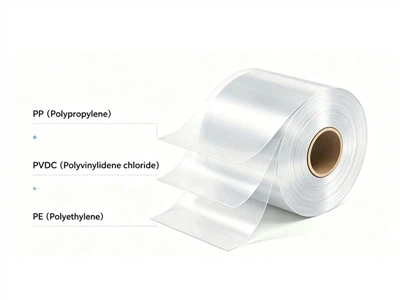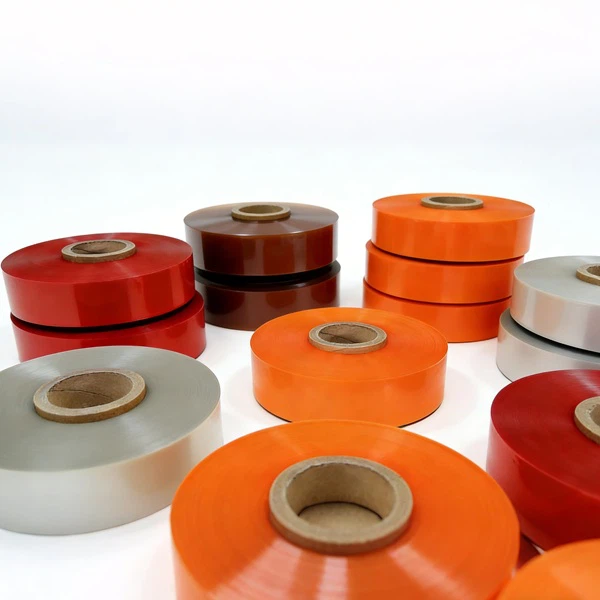
Thermoforming films are plastic films that can be heated and shaped into various packaging formats, such as trays, containers, or lids. Primarily used in food and industrial packaging, these films provide products with strength, clarity, and protection.
Thermoforming films are manufactured from a variety of materials. Common options like PET, PVC, or PP offer the necessary strength, barrier properties, and visual appeal. In short, thermoforming films are an ideal choice for creating customized, secure, and high-quality packaging.
Top 10 Benefits of Using Thermoforming Films
There are numerous advantages to using thermoforming films, including:
Low production costs
Design versatility
Rapid prototyping and faster turnaround times
A wide range of material options
Lightweight yet durable products
Opportunities for custom branding
Eco-friendly and sustainable solutions
Scalability to meet diverse production needs
Enhanced product protection
High aesthetic appeal
Each of these benefits is explained in further detail below.
1. Cost-Effectiveness
One of the key advantages of thermoforming films is their affordability. Compared to other processes, the costs for molds and tooling are significantly lower, which is highly beneficial for both small- and large-scale production runs. Furthermore, the process minimizes waste, leading to additional cost savings. This allows businesses to manufacture high-quality products at a lower expense.

2. Design Flexibility
The thermoforming process offers exceptional design flexibility. It enables the creation of a wide array of shapes-ranging from simple to complex-in various sizes, including custom packaging containers such as blister packs, trays, and more. This technology empowers manufacturers to produce packaging that meets specific requirements while enhancing the visual appeal of the product.
3. Rapid Prototyping and Fast Turnaround
In the business world, speed is critical-and this is where thermoforming truly excels. While other traditional methods might take weeks to complete, thermoforming molds can be produced in just a few days. As a result, you can accelerate the prototyping phase, bring products to market faster, and gain a competitive edge in the marketplace!
4. Wide Range of Material Options
Common plastic materials used in the thermoforming process include PET, PVC, PP, PS, and ABS. This extensive selection allows manufacturers to choose the ideal material based on the product's intended use, taking into account factors such as strength, transparency, or food safety.
5. Lightweight Yet Robust
Thermoformed packaging is lightweight while offering high strength. This lightweight design helps reduce transportation costs while ensuring that products reach their destination safely-a critical advantage for packaging in the food and electronics industries.
6. Opportunities for Brand Customization
Thermoforming offers businesses excellent opportunities for brand promotion. Companies can incorporate logos, product details, or other unique information directly into the thermoformed packaging. This not only enhances product protection but also creates a distinct shelf presence, helping to attract more customers.
7. Environmental Sustainability
Another major advantage of thermoformed films is their alignment with sustainability goals. Thermoforming stands out as a highly sustainable solution; many materials used in the process are recyclable, and the production process generates minimal waste. Furthermore, due to their lightweight nature, these materials help lower transportation-related emissions, offering a truly "green" packaging solution.
8. Scalable from Small to Large-Scale Production
Thermoforming is suitable for both small businesses and large corporations. It can easily scale from very small production runs to high-volume manufacturing without significant cost increases, making it one of the most adaptable production methods available today.
9. Enhanced Product Protection
Ensuring the safety of goods during storage and transit is paramount. Thermoforming enables the creation of protective, tamper-evident packaging tailored to your specific product, effectively safeguarding it against contamination, damage, and tampering. This is particularly vital for sectors such as food, electronics, and medical products.
10. Exceptional Aesthetic Appeal
Finally, thermoforming lends a premium quality to packaging. With its high clarity, smooth surfaces, and capacity for creative, custom shapes, it makes products significantly more visually appealing. In the retail sector, such exquisite packaging often helps boost sales.