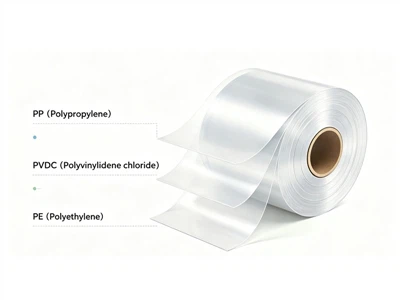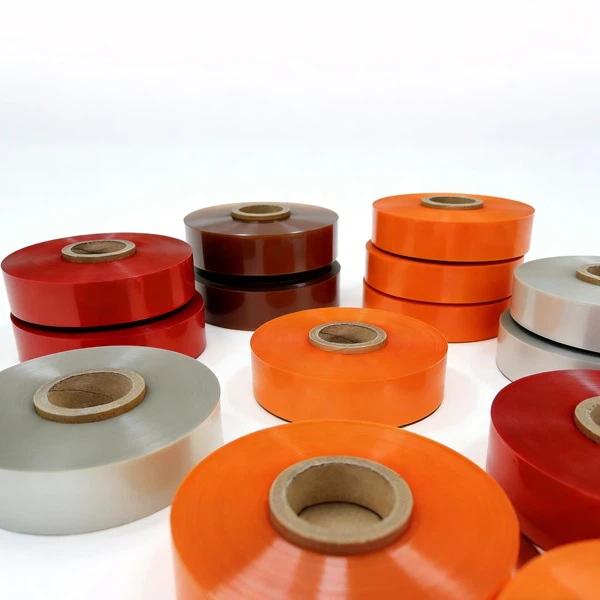

From the classification of retort pouch products, four types of structures can withstand high-temperature sterilization:
BOPET/CPP
BOPET/BOPA/CPP
BOPET/PVDC/CPP
BOPET/AL/CPP
However, these materials have significant differences in their gas barrier properties. When it comes to high-temperature retort packaging for meat products that require long-term storage at room temperature, only PVDC thermoforming film and aluminum-plastic thermoforming film meet the necessary barrier and preservation requirements.
Understanding the advantages and disadvantages of these materials is essential for selecting and using the right packaging for specific applications. Among them, PVDC thermoforming films offer a unique balance of high-temperature resistance, exceptional gas barrier performance, and transparency, making them a superior choice for retort packaging.
Advantages and Disadvantages of Aluminum-Plastic Thermoforming Film for High-Temperature Retort Food Packaging
Advantages:
High-Temperature Resistance: Aluminum-plastic thermoforming film has excellent heat resistance, making it suitable for high-temperature sterilization processes.
Superior Gas Barrier Properties: Among all thermoforming films, it provides the highest level of gas impermeability, effectively preventing oxygen and moisture penetration.
Metallic Gloss and Premium Appearance: The metallic luster gives it a visually appealing and high-quality look, which surpasses all plastic thermoforming films.
Historical Significance: In the early development of soft canned food, aluminum-plastic thermoforming film was the only widely used packaging material due to its excellent protective properties.
Disadvantages:
Thickness and Flexibility Issues: The aluminum foil layer (≥9 µm thick) is less flexible than plastic films. In vacuum packaging, it may not tightly conform to the food, leaving air pockets at edges, which could lead to food spoilage.
Brittleness and Cracking: Aluminum foil tends to develop cracks at folded areas, compromising its barrier properties.
Opacity: As a non-transparent material, it prevents consumers from visually inspecting the contents, which may affect purchasing decisions.
Microwave Incompatibility: The presence of metallic aluminum makes it unsuitable for microwave heating.
Comparison Between PVDC Thermoforming Film and Aluminum-Plastic Thermoforming Film: A Better Choice for Retort Food Packaging
In the field of food packaging, selecting the right material is crucial for maintaining product quality, extending shelf life, and enhancing consumer appeal. PVDC (polyvinylidene chloride) thermoforming film and aluminum-plastic thermoforming film are both widely used, especially in high-temperature retort food applications. This article provides a comprehensive comparison between the two, focusing on their similarities, key differences, and suitability for modern packaging needs.
Similarities
Although they differ in performance and application, PVDC thermoforming film and aluminum-plastic thermoforming film share several common characteristics:
Structure: Both are three-layer thermoforming materials that utilize similar plastic films and adhesives.
Performance: Each offers good mechanical strength, excellent sealing performance, and food-grade safety.
Heat Resistance: Both can withstand high temperatures above 121°C, making them suitable for sterilization and retort processes.
Key Differences
1. Barrier Properties
PVDC thermoforming film: Offers superior oxygen and water vapor barrier performance, which helps ensure a longer shelf life for packaged foods.
Aluminum-plastic thermoforming film: While it provides excellent gas barrier properties, the typical shelf life of food packaged with this material is usually around one year.
2. Flexibility and Durability
PVDC thermoforming film: Softer and more elastic, allowing it to conform closely to irregularly shaped products and reduce residual air in the package.
Aluminum-plastic thermoforming film: More brittle and prone to cracking at fold points, which can compromise its barrier properties.
3. Transparency and Consumer Appeal
PVDC thermoforming film: Highly transparent, enabling clear visibility of the product inside, which aids in consumer decision-making and product marketing.
Aluminum-plastic thermoforming film: Opaque, preventing consumers from seeing the product directly, which may hinder shelf appeal.
4. Microwave Suitability
PVDC thermoforming film: Safe for use in microwave heating.
Aluminum-plastic thermoforming film: Not suitable for microwaves due to the metallic foil layer.
Conclusion
Thanks to its superior flexibility, durability, transparency, and microwave compatibility, PVDC thermoforming film is the better choice for high-temperature retort food packaging. While both materials offer robust protection and safety, PVDC provides added value in terms of extended shelf life, consumer convenience, and overall cost performance.